

Indoor cats often benefit from play that gives them opportunities to chase, pounce, kick, bat, and explore. A useful toy collection does not need to be large. It needs enough variety to support different play styles.
Match the toy to the play pattern
- Chasing: rolling toys and lightweight toys that move unpredictably.
- Pouncing: teaser toys and objects that can be moved across the floor.
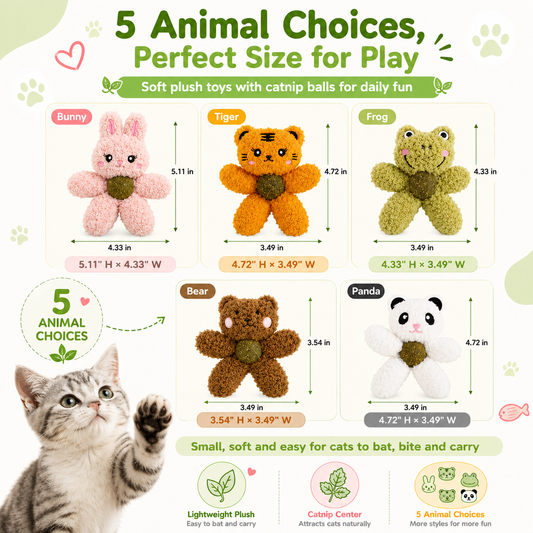
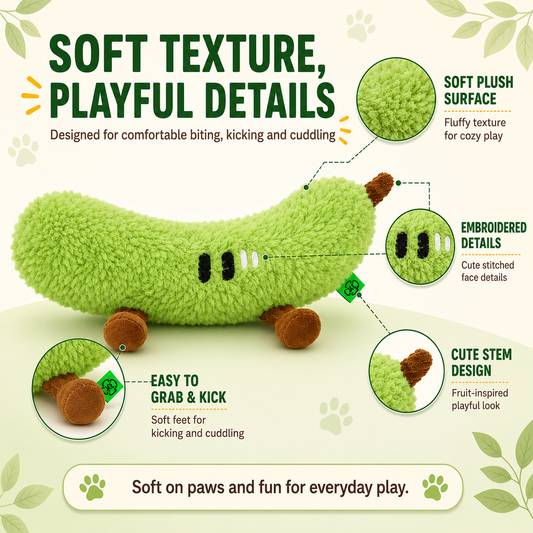
- Kicking: longer plush toys that a cat can hold with the front paws.
- Exploring: tunnels, puzzle toys, and toys with hidden elements.
Inspect size and construction
Choose toys that are too large to swallow and check seams, attachments, bells, strings, and feathers before play. Remove loose or damaged parts. Toys with long strings or detachable pieces should be used only with close supervision.
Use short, repeatable sessions
Many cats respond well to several short play sessions instead of one long session. Allow the cat to catch the toy occasionally so the activity has a satisfying end.
Rotate instead of constantly adding
Keep some toys out of sight and rotate them every few days. Familiar toys can feel new again, while rotation makes it easier to notice damage and clean items appropriately.
Stop using any toy that is torn, shedding material, or small enough to create a swallowing risk.


Leave a comment
Share a helpful thought or experience with other pet owners.