
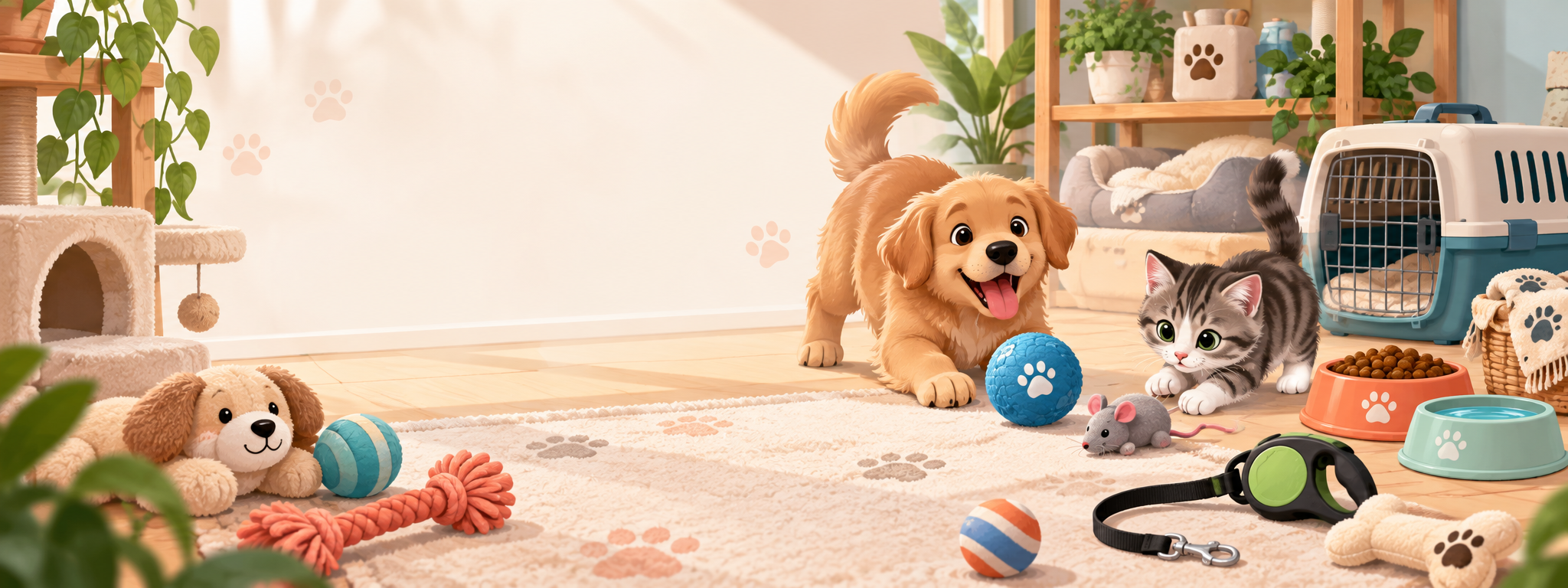

Puppies explore with their mouths. Teething, excitement, fatigue, and moving hands or clothing can all make nipping more likely. The aim is not to punish every mouth contact. It is to teach the puppy what is appropriate to chew, make play predictable, and prevent rehearsal of hard bites. The whole household needs to respond consistently.
Quick answer
Keep safe puppy toys within reach. When teeth touch skin or clothing, calmly stop the game and redirect to a toy. Resume play when the puppy chooses the toy. If biting escalates, take a brief, boring break and check whether the puppy needs sleep, food, or a toilet trip. Avoid hitting, shouting, holding the muzzle shut, or rough hand games. Seek qualified help for repeated hard bites, fear, guarding, or injuries.
Distinguish playful mouthing from a problem that needs assessment
Playful mouthing often appears during active games and eases when the activity changes. A frightened puppy may become stiff, retreat, growl, or bite when cornered or handled. Do not label all growling as "bad": it is a warning that the puppy needs space. Pain, illness, and overtiredness can also change behavior. If the puppy suddenly bites during gentle handling or seems painful, call your veterinarian.
Keep a brief log of when nipping happens. A pattern late in the day may suggest insufficient rest; nipping during petting may suggest handling is too intense. This helps you change the situation instead of reacting only after a bite.
Make the right choice easy

Offer several textures of puppy-appropriate chews, each large enough not to swallow and checked for damage. Supervise new toys. Avoid very hard items that could damage teeth, and ask your veterinarian about safe options for this puppy's size and chewing style. Put loose shoes, cords, and children's toys out of reach rather than expecting the puppy to ignore them.
If the puppy grabs your sleeve, stop moving it, present an appropriate toy, and praise the switch. Fast hand movements and tugging fabric can turn the sleeve into a game. For children, use adult supervision and simple rules: no running with the puppy, no hand wrestling, and no disturbing the puppy while resting or eating.
Practice a short response sequence
- Notice early excitement and offer a toy before teeth reach skin.
- If teeth touch, become still and calmly end attention for a moment.
- Invite the puppy to take the toy and reward the choice with gentle play.
- If the puppy keeps escalating, separate briefly with a safe gate or step away; do not shove the puppy.
- Reassess: is it time for a nap, toilet break, quieter activity, or a shorter play session?

Some puppies become more mouthy when overtired. A quiet puppy-safe area with water, bedding, and a suitable chew helps them rest. Do not use confinement as a frightening punishment. Very long or repeated isolation is not a substitute for training and social contact.
Teach handling separately from play
Practice touching paws, collar, ears, and body in tiny rewarded steps when the puppy is calm. Stop if they move away. This reduces the chance that grooming or necessary care becomes a struggle. Reward four paws on the floor and calm approaches as often as you redirect nipping; the puppy needs to learn what earns attention.
If a bite breaks skin, clean the wound and seek medical advice for the person. A puppy that guards food or toys, bites with a stiff body, or causes repeated injuries warrants help from a veterinarian and a qualified reward-based behavior professional.
Set household rules before the puppy arrives
Agree on what everyone will do when teeth touch skin: freeze, end attention briefly, then offer a toy. If one person allows rough hand play while another discourages it, the puppy receives mixed signals. Keep a small toy in each commonly used room. Visitors should be told not to wave fingers at the puppy or encourage chasing clothes. A puppy can enjoy play without practicing bites on people.
Supervise children closely. An adult should step in before either child or puppy becomes overwhelmed. Children should never put a face near the puppy's face, take a chew from the mouth, or wake the puppy. Provide a protected rest area the puppy can enter and leave, and teach children that this area is off limits. These boundaries protect both sides.
Look for the moment before nipping
Many puppies become faster and less coordinated just before they need a nap. Others nip when a game lasts too long or when they have not had a chance to toilet. Note the time, activity, and body language, then schedule a pause earlier next time. Try a calm scatter of a few pieces of the puppy's normal food, a brief sniffing game, or a safe chew in a quiet area. If the puppy is too excited to take a toy, reduce stimulation rather than repeating the same cue loudly.
Progress is not zero mouth contact overnight. Look for shorter episodes, softer contact, faster redirection, and a puppy that can settle. If bites intensify despite consistent management or appear tied to fear or pain, ask for help early.
Frequently asked questions
Should I yelp when bitten?
It may work for some puppies but excites others. If it increases biting, quietly stop play and redirect instead.
Is teething the only reason puppies bite?
No. Play, overarousal, fear, fatigue, and pain can all contribute. Look at the context.
Can I use my fingers as a toy?
Avoid hand wrestling if you want a clear rule that skin is not for chewing. Use an appropriate toy between hands and puppy teeth.
When should I ask for help?
Ask early if bites are hard, frequent, fearful, or escalating, or if household members cannot manage interactions safely.
This is general training guidance. Sudden behavior change, pain, fear-based biting, or injury needs veterinary and qualified behavior support.






Leave a comment
Share a helpful thought or experience with other pet owners.