
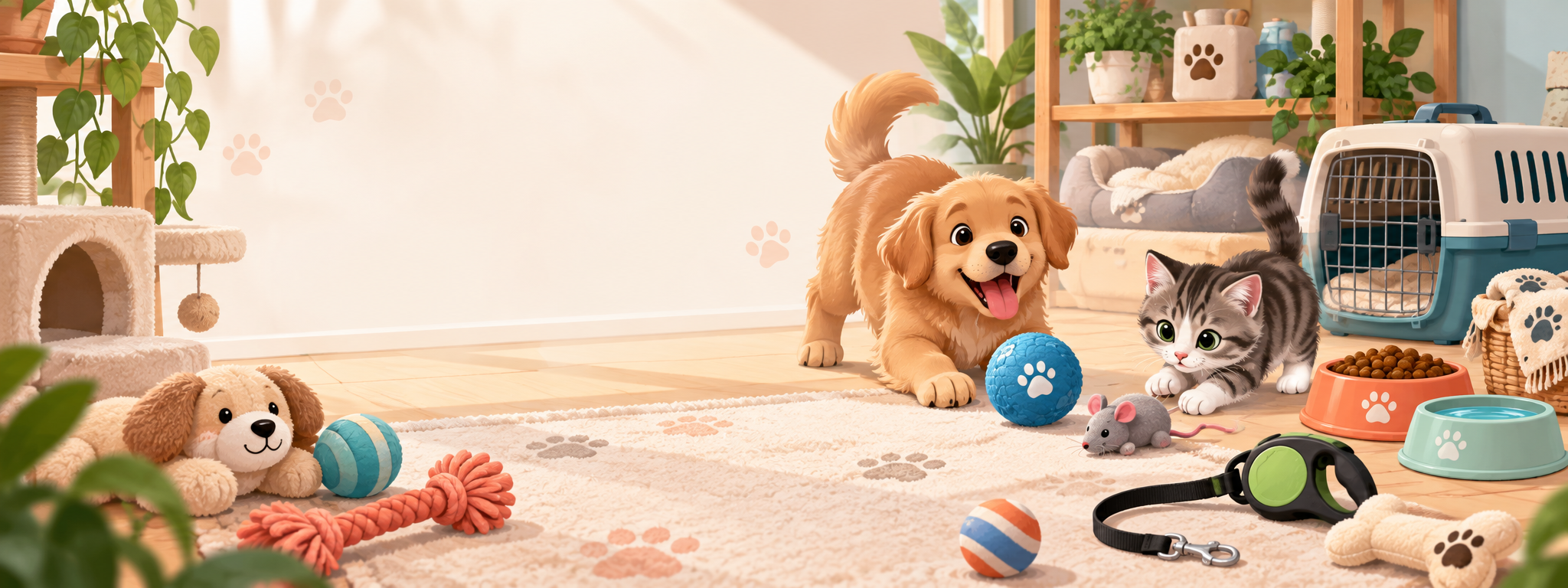

The best dog toy is one your dog can enjoy without easily swallowing, splintering, or becoming trapped in it. No toy is completely risk-free or universally “indestructible.” A safe choice depends on the dog's size, jaw strength, chewing habits, and whether the activity is supervised.
Quick answer
Choose a toy large enough that your dog cannot swallow it whole, appropriate to their chewing style, and free of loose pieces. Supervise first use and remove it if it tears, splinters, or becomes small enough to swallow. If a dog swallows a toy part, chokes, repeatedly vomits, or seems painful, contact a veterinarian urgently.
Match the toy to the way your dog plays
One dog carries a soft toy; another pulls out its stuffing in seconds. Observe what actually happens, not just what the package calls the toy. Tug, fetch, chewing, and food puzzles each place different demands on materials and supervision. A small ball that is fine for one dog may be a choking hazard for another.

For strong chewers, avoid toys that break into chunks under ordinary use. Very hard objects can also damage teeth. Ask your veterinarian about appropriate chew choices if your dog has dental disease, a history of swallowing objects, or a restricted diet. Never assume a toy is safe simply because it is sold for pets.
Inspect before and after play
Look for torn seams, exposed stuffing, loose squeakers, cracked plastic, fraying rope, detached eyes, and sharp edges. Remove damaged toys promptly. Wash reusable toys according to their material instructions and let them dry fully. Keep an eye on toys used outdoors where dirt, moisture, or grit can conceal wear.
New toys deserve closer supervision until you know how your dog handles them. Do not leave a dog alone with an item they shred, swallow, or become possessive over. If play becomes tense around people or other pets, separate the activity and ask for professional behavior guidance rather than grabbing the toy from the dog's mouth.
Make play interactive and manageable
Short supervised sessions can be more useful than a large pile of toys always on the floor. Rotate a few intact options and put high-value toys away when play ends. Teach a trade using a reward so that giving up a toy is not a confrontation. End tug or fetch if the dog is exhausted, overheated, or struggling to move comfortably.

For food-dispensing toys, count food toward the dog's daily intake and clean the toy thoroughly. Confirm that openings cannot trap the dog's tongue or jaw and that pieces cannot be bitten off. If a dog guards food or toys, consult a qualified reward-based trainer or veterinary behavior professional.
Know when to stop and call
If you see choking, trouble breathing, repeated unproductive retching, collapse, or severe distress, seek emergency veterinary help immediately. Swallowing part of a toy can also cause a later blockage even when the dog looks normal at first. Call your veterinarian with the material, approximate size, and time of ingestion; do not induce vomiting unless specifically instructed by a professional.
A 30-second toy check before play
Hold the toy where you can see every side. Ask: Is it still larger than the dog's mouth opening? Are seams, handles, and attachments secure? Has the material become brittle, sticky, sharp, or easy to peel? Does your dog usually chew off pieces of this type? If any answer worries you, put the toy aside. During play, notice whether the dog carries, mouths, shreds, or tries to swallow it. Inspect again when the session ends. This routine is more reliable than a one-time purchase decision because both toys and play habits change. Keep a record of which materials your dog handles well and share any swallowing history with your veterinarian.
Frequently asked questions
Is a larger toy always safer?
It must be large enough to avoid easy swallowing but still manageable for the dog's mouth and play style. Observe the dog rather than using size alone.
Can I leave a chew toy in the crate?
Only if you have confirmed the particular toy and dog's behavior make that safe. Many toys should not be left with an unsupervised chewer.
When should I throw a toy away?
Remove it when a part loosens, it splits, it becomes small enough to swallow, or it can no longer be cleaned properly.
What if my dog swallowed a squeaker?
Call your veterinarian promptly, even if your dog currently seems comfortable. Tell them the toy type and approximate size of the missing piece.
This guide cannot assess an individual toy or replace emergency veterinary care after choking or possible foreign-body ingestion.






Leave a comment
Share a helpful thought or experience with other pet owners.