
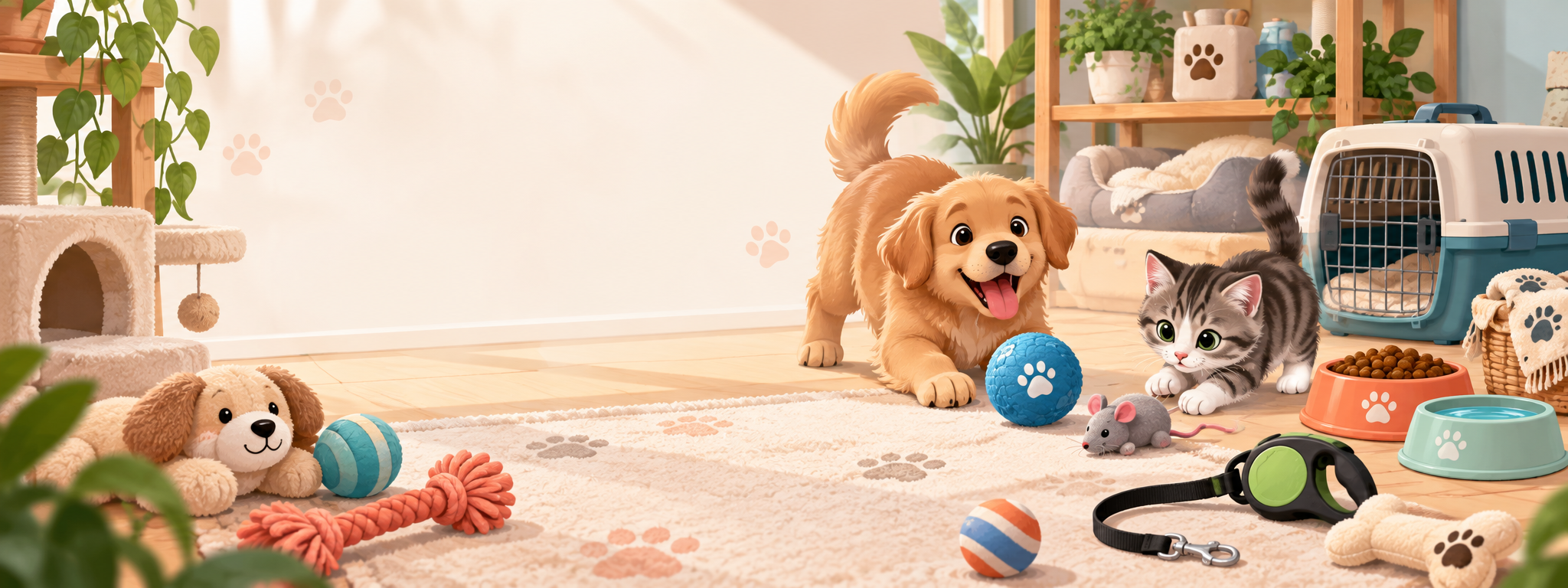

“Drop it” means release something already in your dog’s mouth. It differs from “leave it,” which asks them not to take an object in the first place. Teaching a fair trade with safe toys can make the cue useful in ordinary play and reduce the urge to run away with a prize.
Quick answer
Start with a low-value, dog-safe toy. Offer a better reward or second toy; when your dog releases the first, mark and reward. During practice, often return the original safe toy so dropping it does not always end the fun. Add the verbal cue only when the trade pattern is predictable. Never practice with medication, sharp items, or food that could harm your dog.
Make the first trade easy
Let your dog hold a familiar toy for a few seconds. Present something they value more, such as an approved treat or another toy. The moment they release the first toy, say “yes” and deliver the reward. Pick up the released toy calmly and offer it back after the reward. Repeat just a few times, then end the game.
Do not pull the toy from your dog’s mouth, chase them around the room, or turn every trade into a loss. Those responses can make holding and guarding objects more rewarding or frightening.

Add the cue and vary the game
When your dog starts releasing as soon as you present the trade, say “drop it” just before the familiar exchange. Later, say the cue before showing the reward, then promptly reinforce the release. Use different safe toys and locations while keeping the difficulty low. A new setting may require you to return to a visible trade for a while.
If your dog stiffens, freezes, growls, or guards the item, stop practicing and seek qualified help. Avoid provoking a bite by reaching into the mouth. Resource guarding needs an individual safety plan, not a more forceful version of this game.

Treat dangerous objects as emergencies
A trained cue helps but is not a guarantee. If your dog may have swallowed medication, a toxic food, a battery, or a sharp object, contact a veterinarian or pet poison service immediately. Do not delay care to run a training drill or induce vomiting without professional direction. Secure household hazards to reduce the chance of the problem in the first place.
Frequently asked questions
Should I always take the toy away after “drop it”?
No. Returning safe toys during practice teaches that releasing them can lead to more play.
What if my dog runs away with the toy?
Use a less exciting toy in a small, safe practice area and make the trade more appealing. Do not chase.
Can this cure resource guarding?
No. Guarding behavior needs individualized professional guidance; do not test it with an object the dog already defends.
For suspected ingestion of a toxic or sharp item, seek urgent veterinary advice. For growling or biting around objects, stop the exercise and obtain qualified behavior help.






Leave a comment
Share a helpful thought or experience with other pet owners.